

So much for reality!
On reading vintage graphic novels

In the age of the digital algorithm, fears over the death of the subculture have been rife on the internet ever since the emergence of TikTok in August 2018. With the ban on TikTok for teens dominating our recent news, and a new set of comic books making their way into the shop, I thought what better time than now to consider one of the late 20th and early 21st century’s most dominant cultural drivers: the sub-culture, and its literary sister, the sub-genre.
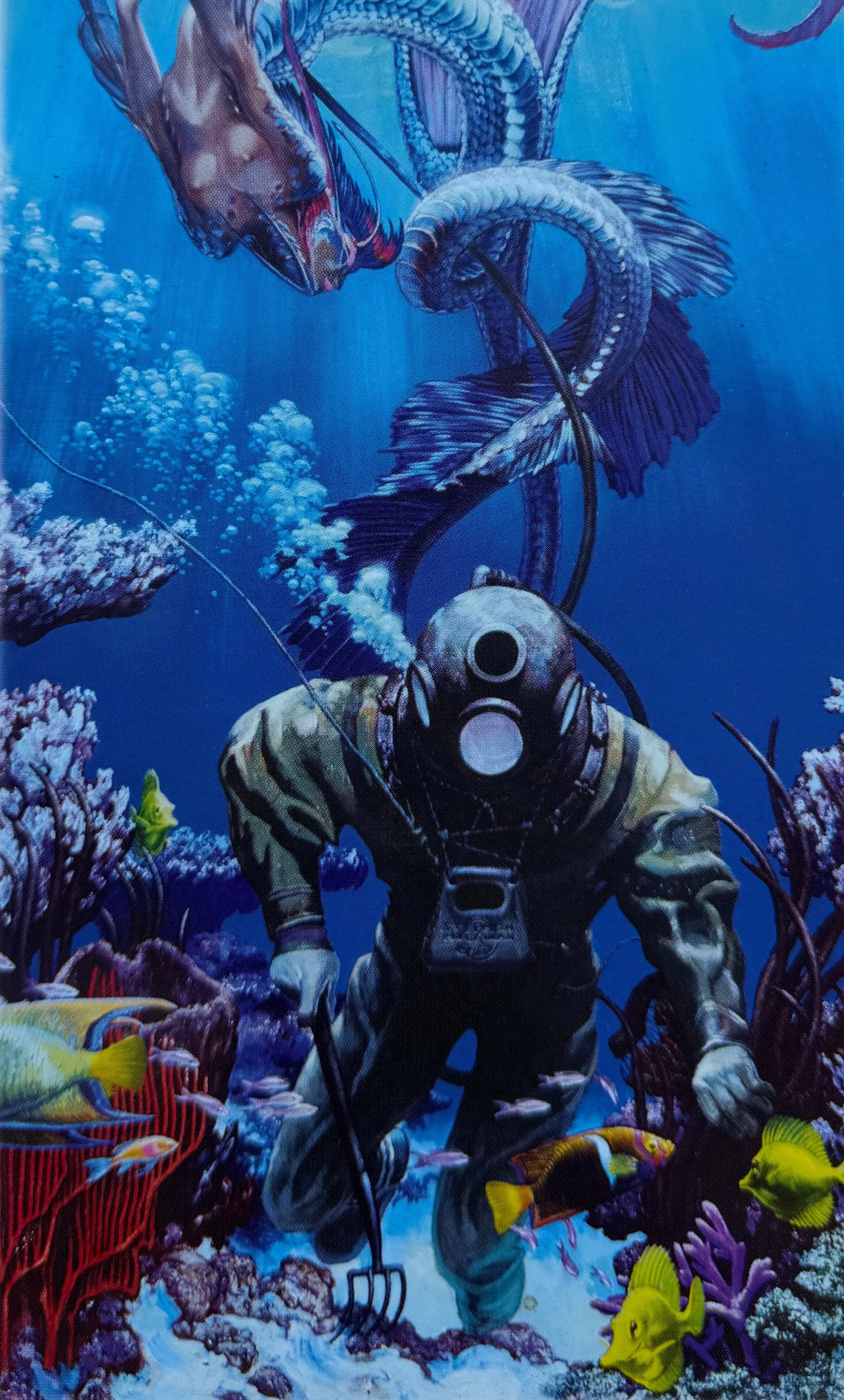
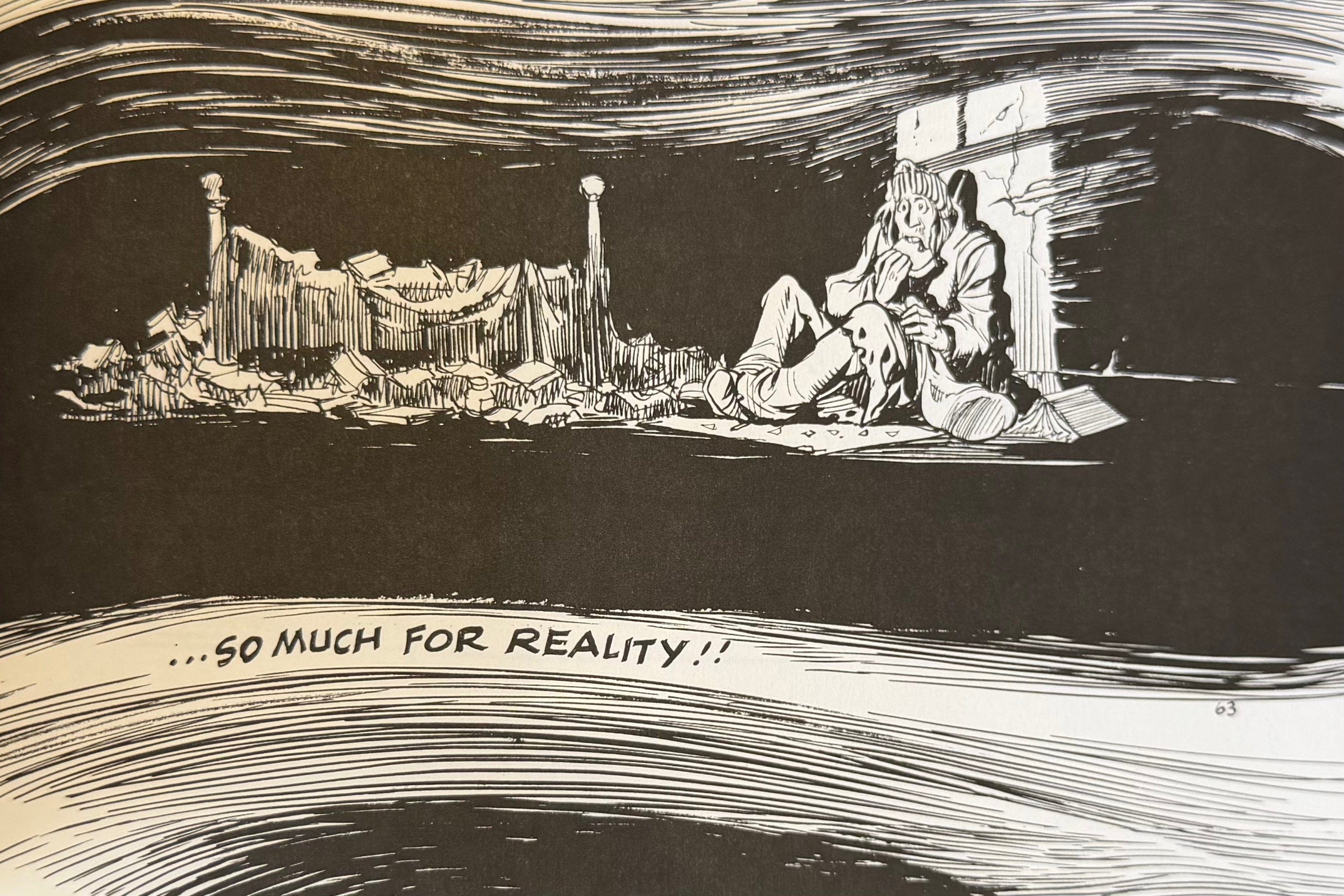
(Illustration from Harlan Ellison’s graphic novel ‘Dream Corridor’)
Spinning out of the common genre fiction labels of ‘science fiction’, ‘fantasy’ and ‘horror’, the period following the Second World War would see the development of a series of sub-genres that have gone onto redefine literature. Early examples include speculative fiction (a 1940’s term) and weird fiction (a 1950’s term). We have both these genres to thank for some of the most popular books of the late twentieth century. Examples include ‘The Handmaid’s Tale’ (which is speculative fiction) and ‘Norwegian Wood’ (which is weird fiction). Boosting this trend came the major sub-genre breakouts of the 1980’s, the most notable of which are probably steampunk (think Philip Pullman’s ‘the Northern Lights’) and cyberpunk (think Donna Haraway’s ‘A Cyborg Manifesto’).
These subgenres all have their roots in the graphic novel. The format of the graphic novel, and the term itself, were invented by Will Eisner. A writer and artist of Jewish descent, Eisner struggled with poverty and antisemitism in the US during the run up to the Second World War. However, Eisner ultimately found his feet developing this type of fiction (for want of a better term), as a way of being able to speak to the American wartime GI in their own language. Eisner is now widely known as the ‘godfather’ of the graphic novel.
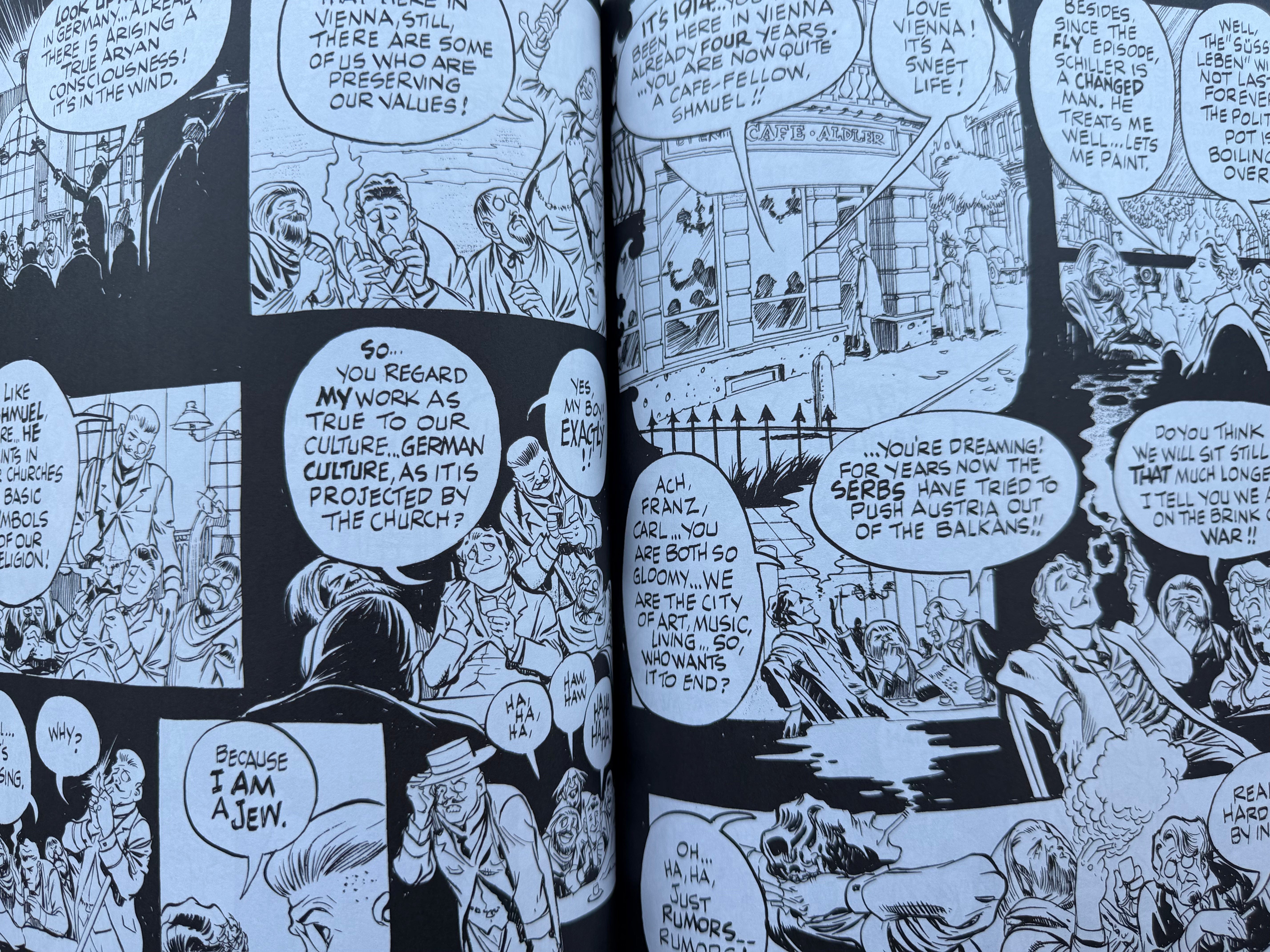
(Illustration from Will Eisner’s graphic novel ‘To the Heart of the Storm’)
The graphic novel subsequently blossomed and with it came radical new approaches to genres, like science fiction and horror, whose traditional routes had led to criticisms of their irrelevance in the post-war period.
Amongst the most notable artists/writers of this movement was Harlan Ellison. Born in the 1930’s, Ellison was also Jewish-American and the antisemitism that he experienced led to an early life spent in isolation. He would eventually manage to escape into the strange worlds of his fiction and graphic novels, going on to be awarded multiple Hugo and Nebula awards. He is now considered one of the founding members of New Wave science fiction, a subgenre of science fiction which attempted to reinvigorate the genre in the technologically advanced post-war period. Famous and recognisable writers considered to have been part of this subgenre are Philip K Dick and Ursula Le Guin.
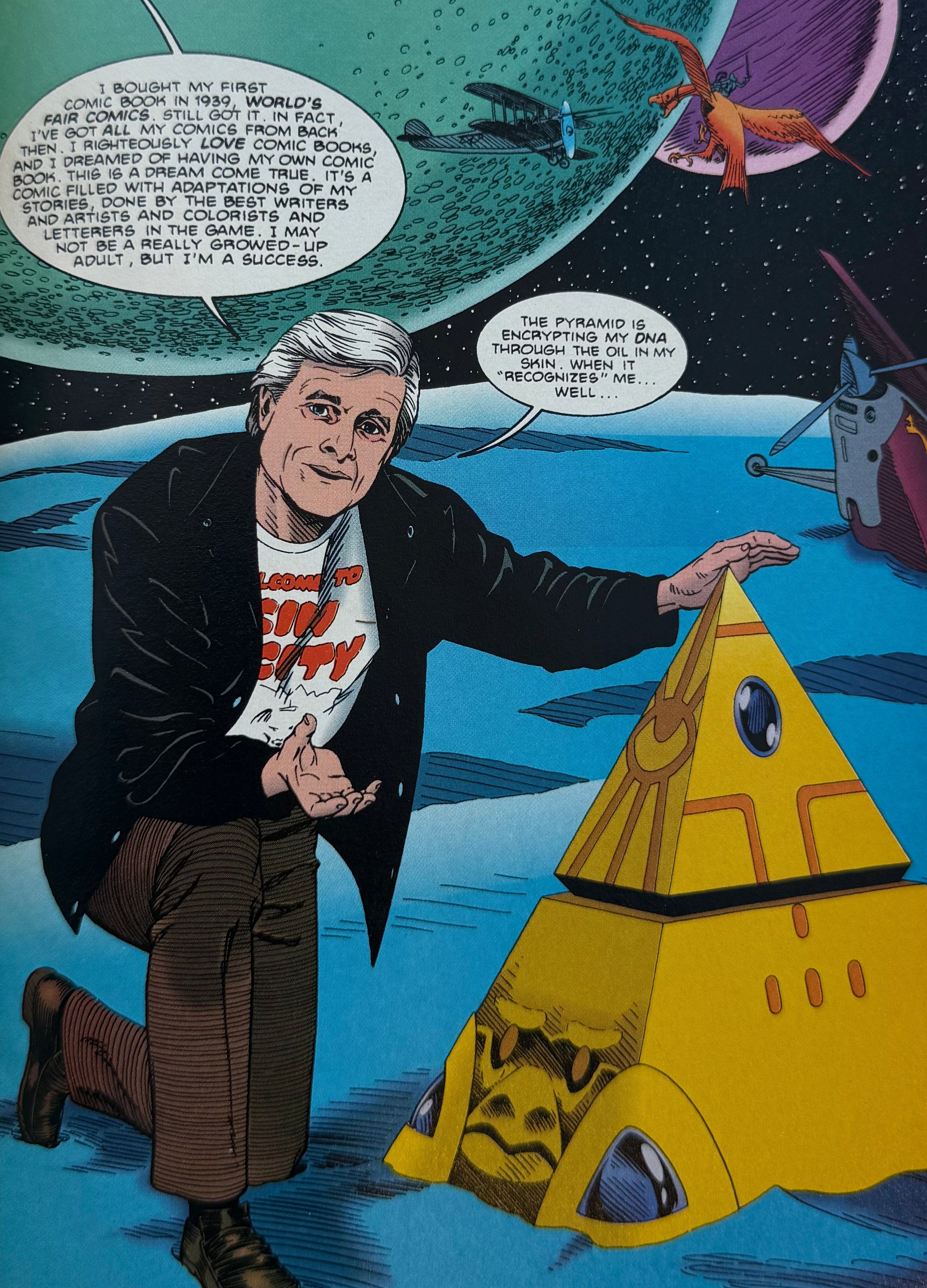
(Illustration from Harlan Ellison’s graphic novel ‘Dream Corridor’)
The cousin of science fiction, horror fiction, also went through a similar regeneration based around the influence of the graphic novel, albeit slightly later in time. Perhaps the most famous of the graphic novel writers, Clive Barker, developed the horror comics Candyman and Hellraiser during the early 2000’s (an image from ‘Hellraiser’ is the cover image for this blog). Widely accepted by the major horror writers of the early 2000’s as having reshaped this genre, Stephen King himself said ‘I have seen the future of horror and his name is Clive Barker.’ Clive Barker later described his work as falling within the subgenre of ‘urban fantasy’ but having horror elements.
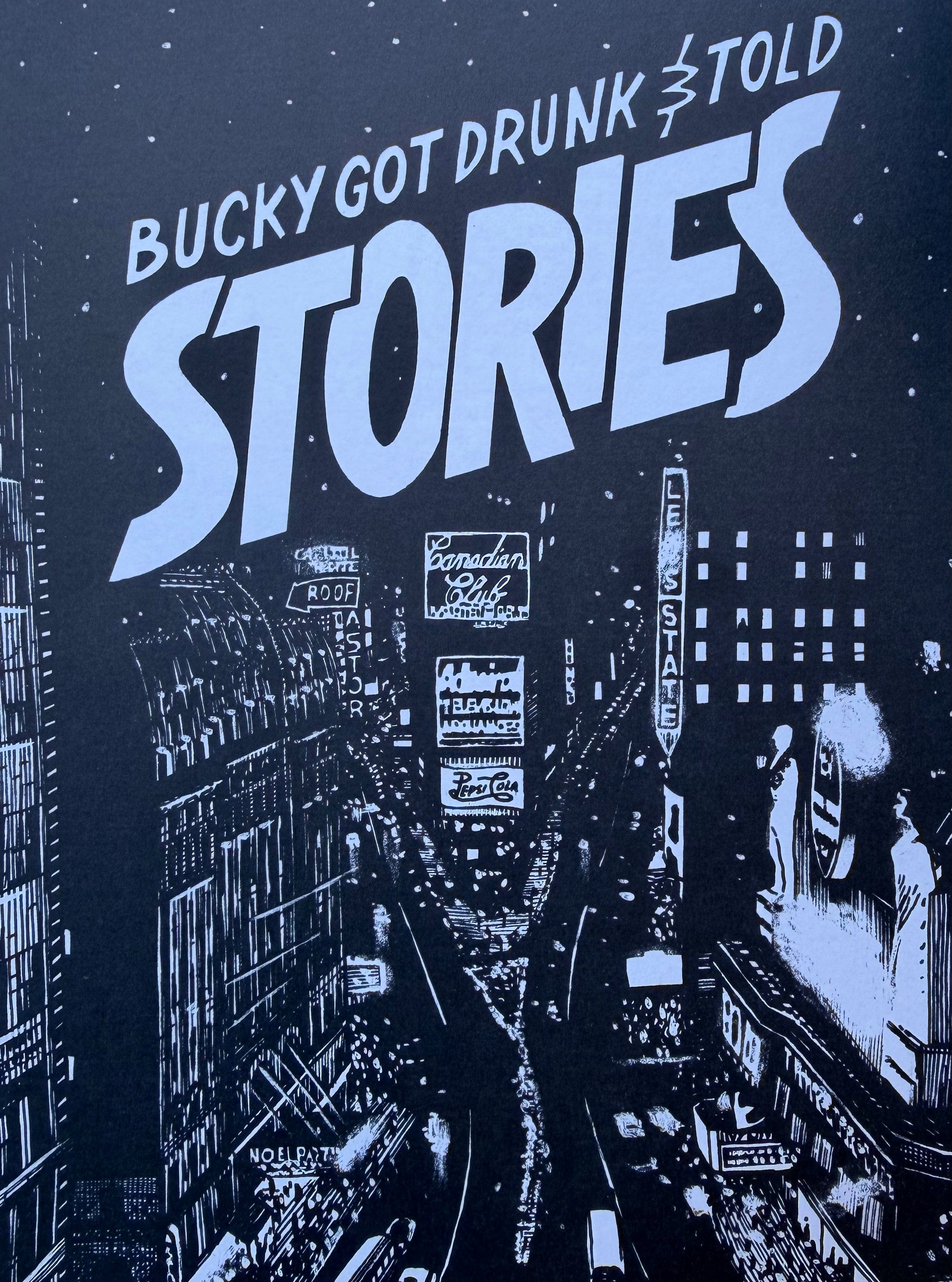
(Illustration from Nick Craine’s graphic novel ‘Hard Core Logo’)
So, did TikTok (or ‘BookTok’ as the reading community on the platform is known) ruin everything? Perhaps one of the greatest fears of the publishing industry when BookTok was developing, was the influence of algorithms on book buying narrowing the diversity of books that were being bought and read, meaning that smaller subgenres such as cyberpunk would get left out in the cold.
However, the story isn’t a sad one. Whilst TikTok did change reading habits and lead to the runaway success of specific authors and their novels, the novels that the platform pushes are actually situated within the sub-genres that have their roots in the graphic novel, particularly horror and fantasy. TikTok has also been responsible for the enormus spread in usage of certain niche subgenre labels, such as grim-dark, hope-punk and romantasy.
These genres continue to be a way that we can relate to the ‘weird’ and technologically advanced modern world. Moving away from the mainstream, towards subgenres, helps us all to deal with the way that we situate ourselves in relation to our feelings of ‘strangeness’ in a changing world. Perhaps that is best expressed by one of my favourite genre terms, ‘slipstream’, which is a word for writing that blends science fiction and fantasy elements. ‘Slipstream’ was described by the famous science fiction writer Bruce Sterling as follows: ‘a kind of writing which simply makes you feel very strange; the way that living in the twentieth century makes you feel, if you are a person of a certain sensibility.”
(Image from Will Eisner’s graphic novel ‘A Life Force’)